

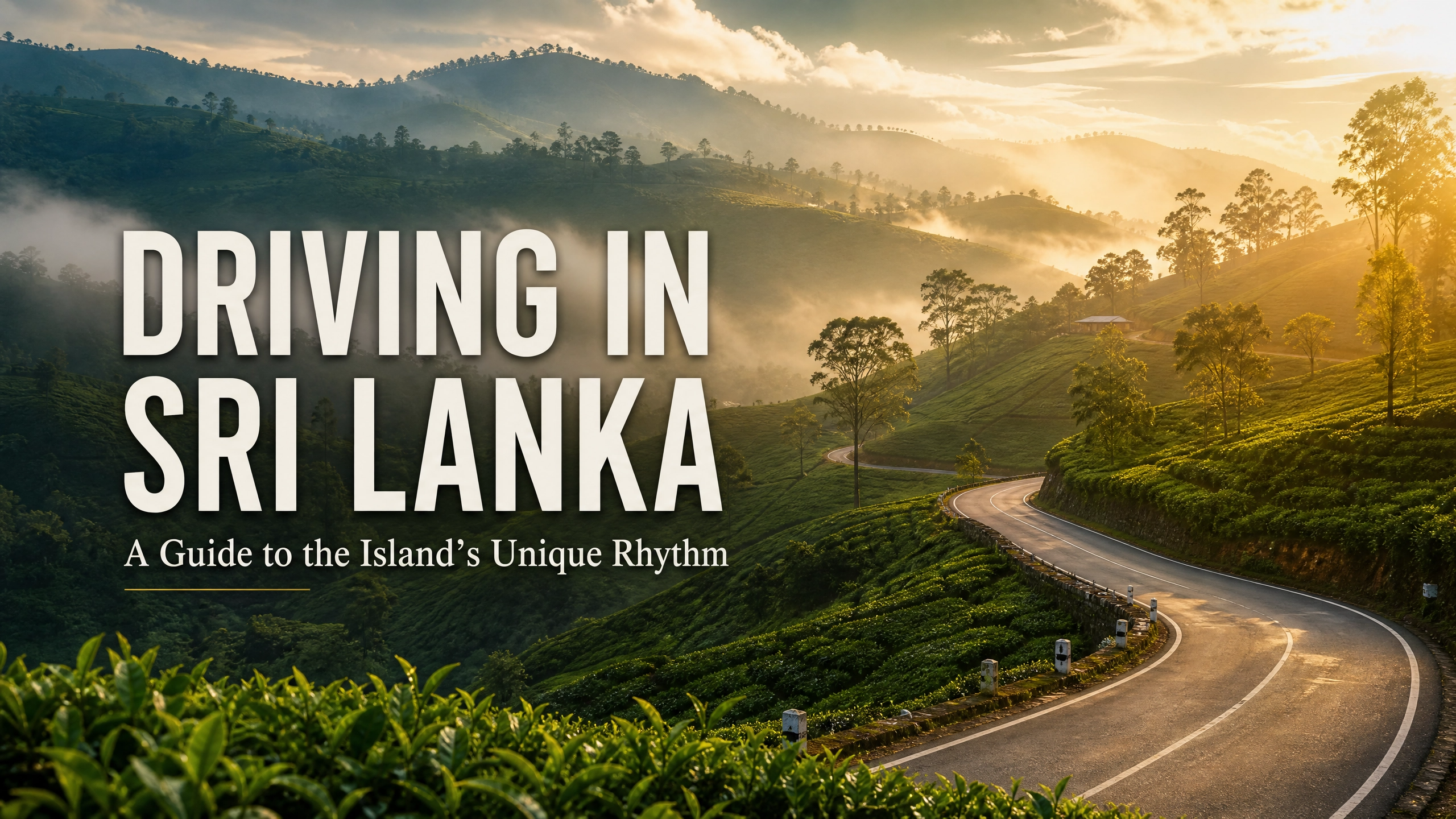
Mist floats over Sri Lanka’s hills while sand glows along its shores, old stones whisper through forgotten temples, and city streets hum with movement. But the moment you begin driving in Sri Lanka, the experience changes completely. It stops feeling like ordinary travel and becomes something far wilder. Excitement arrives first, then uncertainty slowly creeps in, and every so often, fear flashes across your face too all mixed together without warning.
Most people hit the road alone behind the wheel just to feel that open stretch without schedules breathing down their necks. Hidden falls tucked off the map appear when you decide, not a timetable. Quiet spots like family-run tea huts call your name mid-journey, no detours needed. Fruit stands bloom by dusty turns, ripe and ready because timing bends to mood. What sticks isn’t the destination – it’s how each pause feels handpicked, raw, real.
Just hold on a sec before snatching those car keys and rolling out. A handful of key points matter here – especially when it comes to handling wheels in Sri Lanka. Think ahead, slow down at curves, watch how others move on roads. These bits of advice? They keep tension low and reactions sharp amid the island’s one-of-a-kind traffic rhythm.
Driving in Sri Lanka feels different
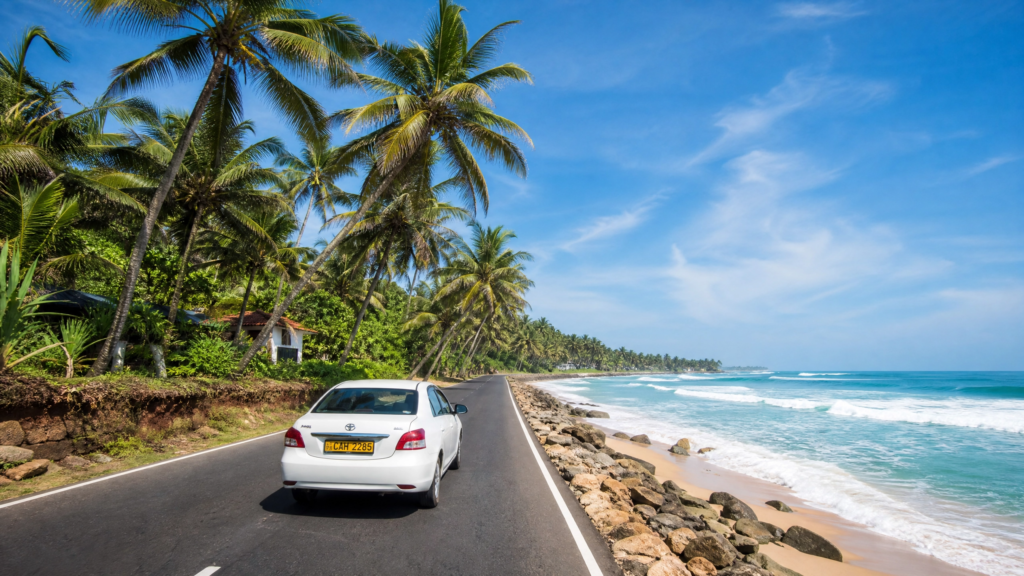
Startled by how tight the lanes seem? That’s Sri Lanka after cruising through Europe, North America, or Australia. Drivers bend the regulations here, sometimes ignoring them outright. Focus sharpens fast because each trip demands it, no exceptions.
What stands out most is how movement feels both messy and somehow structured. Each driver shifts on the fly, responding to whatever comes next. A bus might dart ahead without hesitation, while tiny three-wheelers slip into spaces you did not expect. People step into the road at any moment, no signal given.
Just because it’s tricky doesn’t make it unworkable. Staying alert helps a lot, along with taking things slow.
Expect the Unexpected
On one short drive, you might encounter:
- A bus overtaking on a blind corner
- A cow standing in the middle of the road
- A tuk-tuk suddenly stopping without signal
- Motorbikes weaving through traffic
- Dogs sleeping peacefully on highways

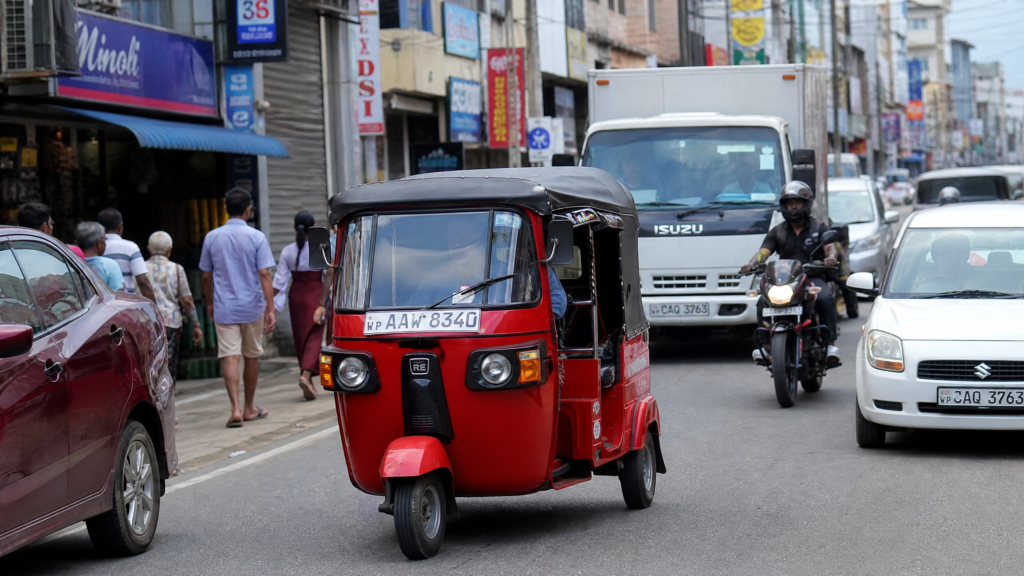
Folks here take it in stride, even if it seems intense to outsiders. Watch closely what others do on the road, react early.
Car Rental Safety in Sri Lanka?
Most of the time it works out fine – provided you’re comfortable handling sudden changes on the road.
Each year, plenty of visitors manage to get rental vehicles without trouble. Still, driving in Sri Lanka can be tough if it is your first time on foreign roads. If you’re not comfortable navigating Sri Lanka’s busy roads on your own, renting a car from a trusted local provider can make your trip much easier and safer. From compact city cars to spacious SUVs, you can find flexible rental options that match your travel style and budget on this rent a car service.
Renting a Car Can Be Practical
Renting a car is a great option if you:
- Want flexibility in your schedule
- Plan to visit remote areas
- Enjoy road trips
- Feel comfortable driving in busy traffic
- Prefer privacy over public transport
Times Not to Use Self Driving
Should the need arise, perhaps consider hiring a driver when:
- Feel nervous in chaotic traffic
- Driving in another country?
- Dislike narrow mountain roads
- Want a relaxing holiday
- Driving on the left feels strange if you have never done it before
Surprisingly, most travelers wind up hiring a local driver since costs tend to be lower than what they’d pay back home.
Key Road Rules to Be Aware Of Getting ready to drive somewhere new?
Know how people drive there first.
Sri Lanka Drives on the Left
Just like in the UK, vehicles move along the left side of the road in Sri Lanka. Coming from a country where driving happens on the right might make this feel odd at first. Getting used to it could require some patience.
Starting out, things like roundabouts or crossing busy roads might seem strange. Go at a steady pace those early times you drive. First moments on the road often bring hesitation – ease into them.
Speed Limits
Typical speed limits include:
- 50 km/h in cities and towns
- 70 km/h on many rural roads
- 100 km/h on expressways
Still, bumpy roads tend to slow trips more than most guess.
Seat Belts and Mobile Phones
Front-seat riders must wear seat belts. If you’re behind the wheel, talking on a mobile isn’t allowed – unless it’s hands-free.
Out on the roads, you’ll often spot police checks – frequent around city edges and spots travelers tend to visit.
Driving Habits in Sri Lanka
Start by noticing how people signal turns without indicators. Watch drivers wave hands out windows to show intent. Notice sudden stops mean warnings about potholes ahead. Listen for horn patterns that aren’t angry but informative. See motorcyclists leaning left or right before turning. Pay attention to eye contact at crossroads instead of rules. Learn these cues slowly through daily observation.
Drivers honk often in some nations out of anger. Over in Sri Lanka, people beep just to say hello.
Horns Carry Different Meanings
Drivers may honk to say:
- “I’m overtaking.”
- “I’m beside you.”
- “Move slightly.”
- “I’m coming through.”
- “Please notice me.”
Just because someone honks does not mean you’re the reason. Sometimes it is just how drivers share the road.
Buses Dominate the Road
Should you remember just a single tip while behind the wheel in Sri Lanka, hold this one close
Always give space to buses.
Drivers of private buses often move fast, sometimes too fast. Just because a pedestrian has legal priority does not mean risk disappears while driving in Sri Lanka. Watching closely helps avoid trouble before it arrives.

Buses move through streets like rivers carving paths through stone. Show caution around them, then every trip flows easier.
Road Conditions Across Sri Lanka
Farther out, roads turn rough without warning. Near cities, they stay smooth most of the time. Between towns, surfaces crack and shift under rain. Mountain paths rattle every wheel that passes. Dust rises where paving ends too soon.
Highways Are Excellent
Taking a trip on Sri Lanka’s expressways feels like gliding while driving in Sri Lanka new roads, well-kept, moving fast without hassle. Out south or near the airport, these lanes make distance feel smaller, ride after ride.
For many trips, tolls cost little while cutting down drive duration significantly. Highways often shorten commutes by a wide margin despite small fees.

Rural Roads Need Time
Frozen paths often block travel after heavy snowfall. When ice covers narrow trails, movement slows without warning. High slopes hide dangers beneath fresh powder. During storms, bridges sometimes vanish under rushing meltwater. Remote areas lose contact when routes collapse unexpectedly
- Narrow
- Steep
- Full of potholes
- Dark when the sun goes down
Winding through Ella and Nuwara Eliya, the highland terrain grabs attention – yet slows progress when mist rolls in. Roads twist without warning, demanding full focus from those behind the wheel.

Avoid Driving at Night
Night driving is strongly discouraged for tourists.
Reasons include:
- Poor lighting
- Unexpected animals
- Pedestrians without reflective clothing
- Unpredictable overtaking
- Heavy rain reducing visibility
Darkness changes everything about a familiar two-hour trip during daylight hours.

Driving in Sri Lanka as a tourist
Here are some practical tips that can genuinely improve your experience.
1. Google Maps useful but verify details
Most of the time, Google Maps functions fine across Sri Lanka while driving in Sri Lanka—yet trip duration predictions tend to miss reality by a wide margin.
Some days it feels like forever just to cover a hundred kilometers. Traffic can stretch things out, turn what seems short into something much longer. Road quality matters too – bumpy or broken surfaces slow everything down. Three hours might do it if luck holds. Other times, closer to four creeps by before reaching the end.
Always add extra time to your schedule.
2. Rent a Small Car
Tight country lanes often make big SUVs tricky to handle.
Compact cars are easier for:
- Parking
- Passing tuk-tuks
- Navigating tight streets
- Fuel efficiency
3. Keep Cash for Tolls and Parking
Some little spots won’t take plastic payments.
Small Sri Lankan Rupee Notes On Hand
- Highway tolls
- Parking attendants
- Small roadside shops
- Fuel stations in remote areas
4. Watch for Tuk-Tuks
Out on the streets, tuk-tuks fill every corner. One moment they’re moving, next they halt – swerving into lanes with no signal at all.
Surprises often happen near their space. Movement shows up when least thought about.
5. Keep Calm in Traffic
Heavy movement fills Colombo streets when crowds rush through. Staying calm works better than rushing ahead.
Furious outbursts go nowhere, actually piling on more tension instead.
Floating through turns feels more natural than gripping every movement tightly.
Fuel Parking Rental Tips
Parking near empty? Best to fill up early when out past towns. Stations pop up often where folks live, yet vanish once roads get quiet.
Parking Can Be Informal
Out here where visitors crowd the streets, locals sometimes step in to fit cars into tight spots. A hand signal or two keeps things moving without official signs. You might see someone waving directions near crowded corners during busy hours. These helpers show up when regular spots fill fast. Not part of city staff, they just appear when needed most.
Tipping a little shows you noticed the effort. Most people feel good when they leave something behind.
Check Your Rental Car Thoroughly
Before driving away:
- Take photos of scratches and dents
- Check brakes and tires
- Test air conditioning
- Confirm insurance coverage
- Verify emergency contact numbers
Later on, arguments might be avoided by doing this one thing early.
Consider Hiring a Driver?
Some people wonder if driving themselves makes more sense than paying someone else to do it.
Truth is, getting a driver in Sri Lanka usually costs less than most expect.
Benefits of Getting a Driver
- Less stress
- Local road knowledge
- Easier parking
- Better safety
- Ability to relax and enjoy scenery
Some drivers share tips on local eats along the way while driving in Sri Lanka. Others point out quiet spots most maps miss. A few talk through stories when traffic slows. Most pass along where they’d stop themselves if hungry. Not every route gets mentioned. Only some places get repeated by word of mouth.
Advantages of Self-Driving
- Full freedom
- Flexible schedule
- More privacy
- Greater sense of adventure
Some folks dive right in. Others hang back – how you feel about it shapes everything. Comfort changes the game completely.
Driving in Sri Lanka
On roads across Sri Lanka, moments stick when you move slow. Patience shapes what you see. Expect less, notice more. Flexibility opens paths maps miss. Each stretch brings something unscripted. Realistic hopes keep joy steady.
Surprisingly, those winding roads seem messy up close. Yet each turn brings something unforgettable instead. Suddenly, city horns fade behind you. Meanwhile, green hills rise with tea bushes swaying slow. Sometimes an elephant crosses without hurry. Other times the ocean appears, calm and wide, waiting beyond empty shores.
Driving in Sri Lanka might feel different than what you’re used to. Yet knowing a few key things can make it clearer once you start. The roads have their own rhythm. While some habits surprise visitors, awareness helps more than fear ever could. What matters is seeing how people actually drive there. Not every rule is followed the same way everywhere. Still, staying alert fits better than strict expectations. This isn’t about danger – just adjustment.
Beware of haste, mind how others drive there – stay sharp. A journey through Sri Lanka’s roads might turn remarkable when patience leads instead of speed.
Imagine steering through tea fields under misty hills. What stops you from gripping the wheel on Sri Lankan roads? Drop stories or doubts where others can see them.


